
Listen
“Open your Bible this week and let the Lord speak.”
1 THESSALONIANS 5:17
Encounter
When Paul instructs us in 1 Thessalonians 5:17 to “pray without ceasing,” he is not calling us to a life of nonstop words, but to a life of continual connection.
Read
When Paul instructs us in 1 Thessalonians 5:17 to “pray without ceasing,” he is not calling us to a life of nonstop words, but to a life of continual connection. This command is not about constant speaking—it is about constant awareness, alignment, and dependence on God in every moment.
It is a posture, not just a practice. A rhythm, not just a routine, and certainly not repetition. In this Bible study devotional, we will break down what it truly means to live a life of unceasing prayer by exploring the different expressions of prayer found throughout Scripture.
More than information, this study provides a foundational structure, a practical and spiritual framework, to help you build a prayer life that is consistent, intentional, and transformative. Not just moments with God, but a lifestyle rooted in Him.
Over two years ago, determined to remain connected to God throughout my daily activities, I decided to establish a rhythm.
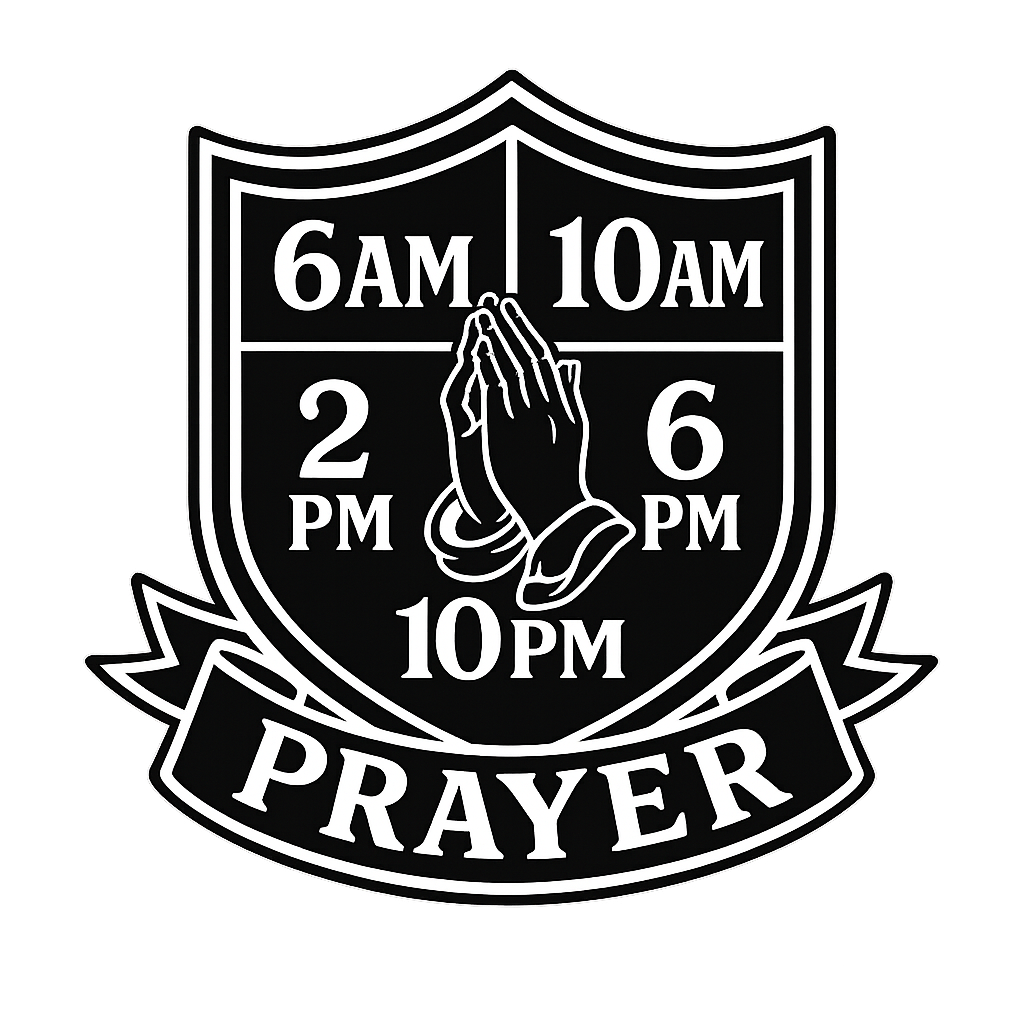
So, I committed to a Five-Times-a-Day Prayer Campaign—6 AM, 10 AM, 2 PM, 6 PM, and 10 PM. Not because prayer is limited to five moments, but because these intentional pauses help us reset our hearts, realign our lives, and refocus our minds on God throughout the day.
These moments interrupt distraction. They confront drift. They call us back to center. Because Scripture does not suggest prayer—it is non-negotiable: “Pray without ceasing” (1 Thessalonians 5:17). Jesus reinforced this through teaching, “And he spake a parable unto them to this end, that men ought always to pray, and not to faint;” (Luke 18:1).
And if we are going to live a life of obedience, relationship, and continual prayer, we must understand something foundational: Prayer is not just something we do in moments. Prayer is how we live between them.
It is more than presenting requests. It is communion, alignment, correction, and transformation.
So in our effort to truly pray without ceasing, it is critical that we not only know how to pray, but also understand the different expressions of prayer found in Scripture. Because prayer is not just about petition; it is about participation in relationship with God.
Let’s explore the ways prayer becomes not just a practice, but a lifestyle.
1. The Prayer of Adoration (Worship Before Request)
“Our Father in heaven, hallowed be Your name” (Matthew 6:9) Adoration centers God for who He is, not just what He does. It establishes reverence before requests. You don’t begin with your needs. You begin with His nature.
2. The Prayer of Confession (Cleansing and Realignment)
“If we confess our sins, He is faithful and just to forgive us…” (1 John 1:9). Confession keeps your heart aligned and your spirit sensitive. It removes what disrupts intimacy. You cannot walk in closeness while covering what God is trying to cleanse.
3. The Prayer of Thanksgiving (Gratitude That Grounds You)
“In everything give thanks…” (1 Thessalonians 5:18)
“Enter His gates with thanksgiving…” (Psalm 100:4). Thanksgiving anchors you in what God has already done. Gratitude protects you from spiritual amnesia.
4. The Prayer of Supplication (Personal Petition)
“Give us this day our daily bread” (Matthew 6:11)
“Let your requests be made known to God…” (Philippians 4:6). God invites you to ask—not out of desperation, but out of dependence. Asking is an act of trust in God as your source.
5. The Prayer of Intercession (Standing in the Gap)
“Prayers…be made for all people” (1 Timothy 2:1)
“He always lives to make intercession…” (Hebrews 7:25)
Intercession reflects the heart of Christ—carrying others before God. Growth in prayer moves you from self-centered to others-focused.
6. The Prayer of Warfare (Spiritual Authority and Resistance)
“The weapons of our warfare are not carnal…” (2 Corinthians 10:4–5).
“Resist the devil, and he will flee…” (James 4:7). Some situations require confrontation, not just conversation. Prayer is not always gentle—sometimes it is strategic and forceful.
7. The Prayer of Listening (Stillness Before God)
“Be still, and know that I am God” (Psalm 46:10).
“Speak, Lord, for Your servant hears” (1 Samuel 3:10). Prayer is dialogue, not monologue. If you never listen, you only hear yourself.
8. The Prayer of Agreement (Unity That Multiplies Power)
“If two of you agree on earth concerning anything…” (Matthew 18:19). There is spiritual weight in unified faith. Agreement is not proximity—it is alignment.
9. Praying in the Spirit (Beyond Human Understanding)
“Praying at all times in the Spirit…” (Ephesians 6:18)
“The Spirit Himself intercedes for us…” (Romans 8:26). The Spirit helps us pray beyond our limitations. When you don’t know what to pray, God already does.
10. Prayer of Declaration (Speaking God’s Word and Will)
“Let the redeemed of the Lord say so…” (Psalm 107:2)
“Death and life are in the power of the tongue” (Proverbs 18:21). This is not about informing God—it is about agreeing with Him. You don’t just pray to God—you pray from His truth.
11. The Prayer of Meditation (Dwelling in the Word)
“His delight is in the law of the Lord, and in His law he meditates day and night” (Psalm 1:2).
“This Book of the Law shall not depart from your mouth…” (Joshua 1:8). Meditation is not emptying your mind—it is filling it with God’s Word until it reshapes you. Meditation is prayer that lingers until truth becomes transformation.
12. The Prayer of Surrender (Yielding Your Will)
“Not my will, but Yours be done” (Luke 22:42). This is one of the most powerful—and most costly—forms of prayer. True prayer is not getting God to agree with you, but you agreeing with Him.
13. The Prayer of Faith (Believing Before Seeing)
“Whatever you ask in prayer, believing, you will receive” (Matthew 21:22).
“Let him ask in faith, with no doubting…” (James 1:6). Faith is the posture that gives prayer its power when it is God’s will, not ours. Prayer without faith is words without weight.
14. The Prayer of Lament (Honest Grief Before God)
“How long, O Lord?” (Psalm 13:1).
“Pour out your heart before Him…” (Psalm 62:8). God does not reject honest pain—He invites it. You don’t have to hide your hurt to be heard by God.
Committed To Prayer
Those five daily moments are not just check-ins. They are checkpoints. Places where you reset, realign, and refocus. Because life pulls. Distractions build. And drift is subtle. But a purpose-driven prayer life keeps bringing you back.
Do not reduce prayer to emergencies. Build it into your day. Let it interrupt your schedule. Let it reshape your thinking. Let it refine your desires. Because when prayer becomes purposeful, your life stays connected with the source. And when this happens, you stop visiting prayer and start living in it.
moment: be still, and invite the Lord to apply what you have read.
Go Deeper in Scripture
1 Thessalonians 5:17
Pray without ceasing.
“Open your Bible this week and let the Lord speak.” 1 THESSALONIANS 5:17 Encounter When Paul instructs us in 1 Thessalonians 5:17 to “pray without ceasing,” he is not calling us to a life of nonstop words, but to a li…
Luke 18:1
And he spake a parable unto them to this end, that men ought always to pray, and not to faint;
Jesus reinforced this through teaching, “And he spake a parable unto them to this end, that men ought always to pray, and not to faint;” (Luke 18:1).
Matthew 6:9
After this manner therefore pray ye: Our Father which art in heaven, Hallowed be thy name.
The Prayer of Adoration (Worship Before Request) “Our Father in heaven, hallowed be Your name” (Matthew 6:9) Adoration centers God for who He is, not just what He does.
1 John 1:9
If we confess our sins, he is faithful and just to forgive us our sins, and to cleanse us from all unrighteousness.
The Prayer of Confession (Cleansing and Realignment) “If we confess our sins, He is faithful and just to forgive us…” (1 John 1:9).
Reflect
Days 1–2
- What line from this lesson is God pressing on your heart?
- Where might pride, fear, or distraction be resisting obedience?
Days 3–4
- Which scripture references will you re-read slowly in context this week?
- Who needs an encouraging word rooted in what you learned?
Days 5–7
- What is one concrete step of obedience you will take?
- How will you remember this lesson after the week ends?
Respond
STAY WITH THE WORD
Lord, thank You for this week’s word. Shape my heart by Scripture, not by noise or status. Where I have chased recognition, return me to simple obedience. Let the truth I have read bear fruit in love and humility. Amen.
Walk it out
- Re-read one key passage from this lesson in the KJV, in full context.
- Share one sentence of encouragement with another believer.
- Take one quiet act of obedience you have been postponing.
- Pray briefly each morning: “Lord, let Your word rule my choices today.”
Teach me thy statutes.
Reflect
Log in to save your reflections across devices.